
Gambling Psychology Lucky Machines Built Around Player Control
Gambling psychology lucky machines sit apart from the usual casino lobby built around maximum screen time and aggressive bonus prompts. This model instead puts measurable session limits, transparent game information and practical account controls near the centre. Its design comes from a developer with two gaming-market exits and investment experience focused on markets where rules and consumer protections need clearer interpretation. That background matters here: usability is treated as a financial safety feature, not decoration.
The result is an alternative for adults who want a structured way to assess games before staking money. It does not remove gambling risk or promise better returns. It simply makes the psychology easier to inspect, with particular attention to Australian players in and around Cairns.
Interface, Navigation and Local Player Experience
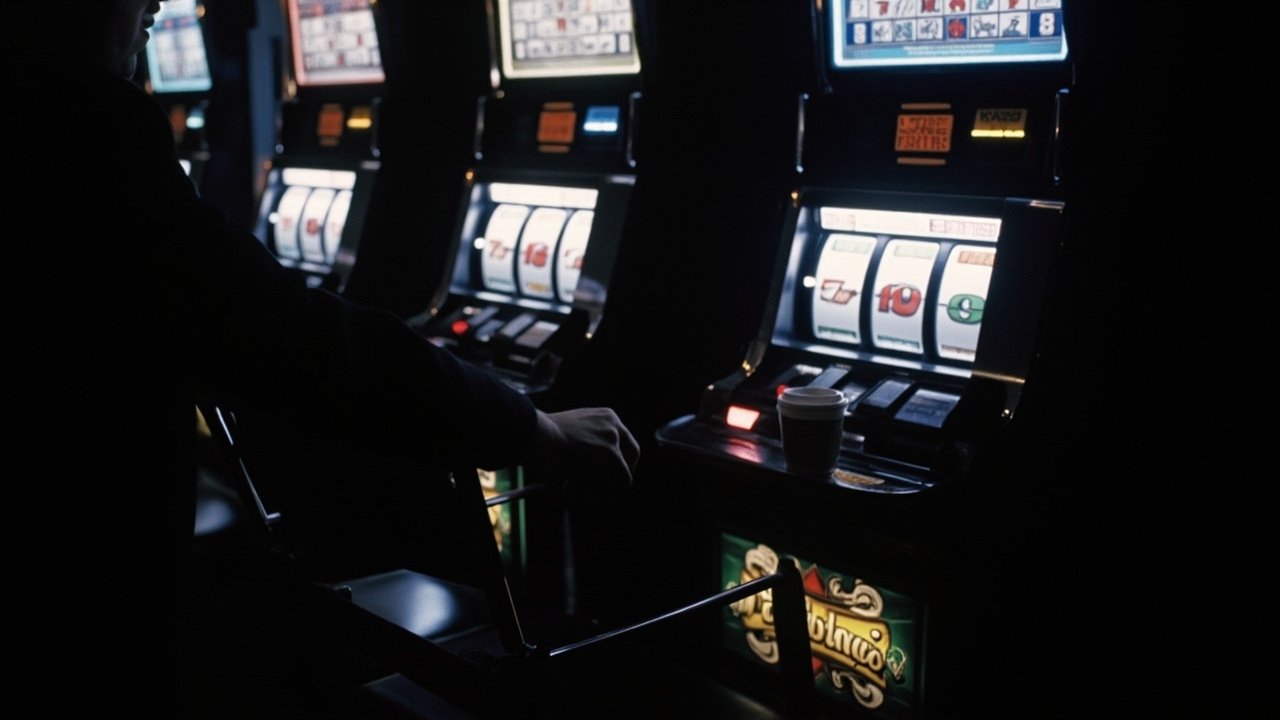
The visual identity uses restrained charcoal panels, muted teal highlights and large-but-not-dominant game tiles. Nothing mimics a flashing arcade cabinet, which is sensible given how quickly animated feedback can turn a measured session into an impulse-driven one. Navigation separates slots, table games, live formats and responsible-play tools into clear categories. A persistent balance area shows the cash balance and bonus balance separately, reducing the confusion that can arise when promotional credits sit beside withdrawable funds.
Localisation is handled with more care than a simple currency switch. Australian spelling is used throughout, while dollars are displayed in AUD. Search recognises game names, volatility labels and feature descriptions, so “high volatility” or “expanding reels” can be found without already knowing the title. That makes the catalogue easier to navigate than a wall of thumbnails.
On mobile, the account dashboard compresses without hiding responsible-play controls. Session reminders, deposit limits and reality checks remain reachable from the first screen. Support offers live chat and email in English, with operating hours shown in Australian Eastern Time. The interface is particularly practical for people who live near Cairns and use mobile data during their commute.
Psychology Mechanics That Put Limits Before Bonuses
The core mechanic is a “session map”: every game displays its volatility, maximum win, feature structure and estimated session duration before the stake is selected. These are product descriptions, not predictions of profit. A player can set a cash budget and a time boundary, and the site records both so a later visit does not require remembering the previous decision.
Unlike conventional bonus-heavy lobbies, promotions are subordinate to the session map. A welcome offer may include a fixed number of spins on a selected low-volatility title, but the terms show the wagering contribution and expiry window plainly. No “limited-time” badge can repeatedly return after a player dismisses it. That restraint reflects an editorial principle often applied by experienced gambling operators: promotional intensity should not override informed choice.
The interface also separates entertainment value from financial value. A player considering big bass floats my boat in casino can see the reel structure and feature conditions before opening the game. The comparison is not that one design guarantees success; it is that visible mechanics allow a more rational assessment than exaggerated claims.
The loyalty programme rewards measured activity rather than raw deposit volume. Session reviews, budget changes and completed responsible-play check-ins contribute to account status. In poker played against other players, rather than the house, the casino earns money through the “rake”; that distinction matters when comparing game economics because the house edge works differently.
Payments, Registration and Everyday Account Control
Registration requires a legal Australian age confirmation, identity checks and a residential address. Verification remains mandatory before deposits or withdrawals; no shortcut is offered. Payment options include AUD bank transfer, major debit and credit cards, and supported digital-wallet methods. Minimum and maximum deposit figures appear before confirmation, while withdrawal processing windows are stated without implying guaranteed timing.
This structure is more useful than a quick signup form that asks for payment details before a player understands the controls. New accounts begin with a preset session reminder, deposit ceiling and loss limit that can be changed in the dashboard. Limits are not buried under promotional terms. Players can also schedule a cooling-off period, although identity verification remains necessary before returning.
Search extends into the transaction archive, where deposits, withdrawals, bonus transactions and net game results are presented in plain language. That helps distinguish a cash balance from promotional credits and makes support queries easier to resolve. For anyone comparing age rules and casino choices, these visible account controls provide a concrete basis for judgement rather than relying on a persuasive slogan.
The trade-off is deliberate: fewer rotating promotions and less theatrical presentation. Some players may prefer a louder lobby or a larger catalogue. Those who value plain information, predictable menus and stronger personal boundaries will find this alternative more considered. The system does not make gambling harmless, but it does make the interface work harder to keep attention and spending under control.
Gambling psychology lucky machines offer a different proposition: put the player’s limits and the game’s mechanics in view, then keep them visible. Interface, localisation, navigation and account control carry most of the review because they reveal whether a product respects informed choice. The psychology is not a promise of luck; it is a framework for deciding what happens after someone starts playing.